In the world of construction, choosing the right tools is crucial. Concrete Drill Bits play a vital role in ensuring efficient drilling. Experts emphasize their importance. John Smith, a leading authority in drilling technology, once said, "Quality Concrete Drill Bits can make or break your project." This statement highlights the significance of selecting the right drill bits for concrete work.
Concrete is a tough material. It requires specific tools to navigate its hardness. Ordinary drill bits simply won't do. They can wear out quickly or break under pressure. The market offers various options, from carbide-tipped to diamond-coated drill bits. Each type serves a distinct purpose. Knowing when to use them is key to successful drilling.
However, even with the best Concrete Drill Bits, challenges exist. Not every job will go smoothly. Frustration can arise from misalignment or inadequate power tools. Understanding how to overcome these obstacles is essential. Sometimes, the right drill bit needs a skilled operator to leverage its full potential. This balance of tool and technique is critical for achieving effortless drilling solutions.
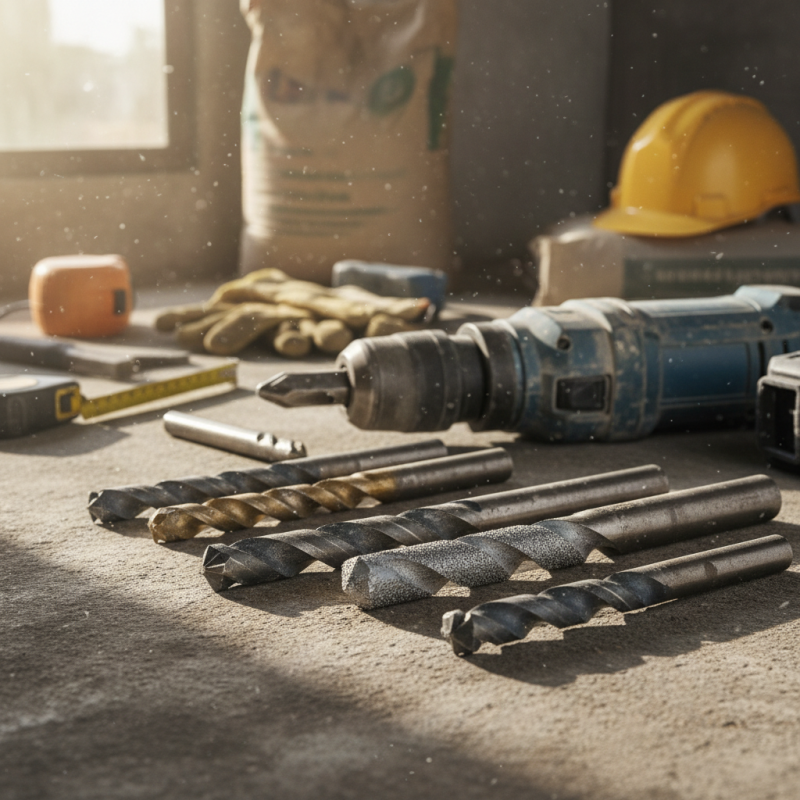
When it comes to concrete drilling, choosing the right drill bit is crucial. There are several types of concrete drill bits, each designed for specific applications. The most common types include masonry bits, carbide-tipped bits, and diamond bits. According to industry reports, about 70% of professionals prefer carbide-tipped bits for their durability and efficiency. These bits can handle various concrete mixes, making them ideal for both residential and commercial projects.
Masonry bits are often favored for light-duty tasks. They typically work well for softer concrete or brick. These bits are affordable but may require frequent replacement if used on tougher surfaces. Diamond bits, on the other hand, are best for heavy-duty work. They perform exceptionally well but come at a higher price. Research shows that diamond bits can last up to five times longer than carbide-tipped options. However, their effectiveness largely depends on proper use and maintenance.
While the right drill bits enhance performance, using them incorrectly can pose challenges. Even experienced users can face issues like overheating or breakage. Ensuring compatibility with your drill and choosing the right speed is essential. There is often a learning curve when switching between bit types, and users must acknowledge this. Understanding the specific needs of a project can save time and costs in the long run.
When selecting concrete drill bits, consider several key features. Durability is paramount. Studies show that carbide-tipped bits last longer than standard steel. They can withstand higher temperatures and are less prone to wear. Manufacturers report that proper maintenance can extend their life by up to 25%. This highlights the importance of choosing quality materials.
Next, shaft compatibility matters. Ensure that the bit fits your drill type. The right connection minimizes wobbling, enhancing precision. Some professionals recommend a tight fit for better energy transfer. This reduces fatigue during extended use, allowing for smoother operation. User feedback often points to reduced vibration as a crucial factor in achieving accuracy.
Lastly, consider the type of project. A standard masonry bit may suffice for light tasks. However, larger jobs may require specialized bits with advanced features. Some experts suggest opting for bits with deeper flutes for better dust removal. This can improve performance, especially in denser materials. Knowing these aspects empowers you to make informed decisions when selecting tools for your next project.
| Type | Diameter | Material | Length | Features |
|---|---|---|---|---|
| Masonry Bit | 1/4 inch | High-Speed Steel | 6 inches | Ideal for hard materials, carbide tipped |
| Diamond Core Bit | 2 inch | Diamond Grit | 10 inches | Excellent for precise holes in concrete |
| SDS Plus Bit | 3/8 inch | Tungsten Carbide | 8 inches | Designed for rotary hammers, durable |
| Hammer Drill Bit | 1/2 inch | Carbide Tip | 10 inches | For heavy-duty drilling, optimized for concrete |
| Masonry Screw Bit | 5/16 inch | Steel | 5 inches | Quick bit change, ideal for screws |
When it comes to concrete drilling, choosing the right drill bits is crucial. Some brands are recognized for their exceptional quality. These manufacturers focus on durability and performance. A reliable drill bit can significantly reduce drilling time. They design bits specifically for various applications. Whether you need to install anchors or create holes for plumbing, quality matters.
Many users have had mixed experiences with different brands. While some provide consistent results, others may disappoint. Users often report breakage with cheaper options. Investing in a well-reviewed product pays off in the long run. Observing customer feedback can guide your choices. It’s important to consider not just the cost, but also the lifespan of the bits.
Concrete can be tough on tools. Many DIY enthusiasts and professionals encounter challenges. Some bits wear out quickly, losing effectiveness. This leads to frustration and wasted effort. Choosing bits crafted from high-quality materials can mitigate these issues. Reliable options often come with warranties or guarantees. Exploring options from reputable brands can ensure better performance. Knowledge of user experiences and expert recommendations will enhance your decision-making.
Concrete drill bits are essential for effective drilling. However, maintaining them is often overlooked. To extend their life, proper care is crucial.
One major factor is cleaning. After each use, remove any debris. This prevents buildup that can wear down the bit quickly. Store your drill bits in a dry place. Moisture leads to rust, which affects performance. Using a wooden block can protect the bits from damage during storage.
Periodic sharpening is also important. A dull bit can cause frustration and increase strain on your drill. By keeping them sharp, you ensure efficient drilling. Regularly check for wear and tear. If you notice cracks or chips, it's time to replace the bit. Taking these steps can truly enhance your drilling experience.
When using concrete drill bits, safety should always come first. Wearing appropriate gear is essential. Eye protection prevents dust and debris from causing injuries. Ear protection can minimize noise-related damage. Additionally, using gloves enhances grip and maintains stability during drilling.
Before beginning any project, ensure your drill bit is clean and undamaged. A worn bit can lead to inefficient drilling and unsafe conditions. Practice proper technique. Hold the drill steady to avoid slipping, which can lead to accidents. Maintaining a slow and steady pace helps to reduce heat buildup, prolonging the life of the drill bit.
It’s important to remember that practice makes perfect. Each concrete surface is different. You may find some easier to drill than others. If a bit struggles, reassess your approach. Check the pressure you’re applying; too much can cause breakage, while too little may not penetrate the material at all. Reflect on what works best in various scenarios. Learning from each experience will make you more skilled with concrete drilling.
: Focus on durability, shaft compatibility, and project type. Ensure the materials can withstand wear and high temperatures.
Regular cleaning after use is essential. Also, store them in a dry place and avoid moisture.
A proper fit minimizes wobbling, enhancing precision and reducing operator fatigue during longer tasks.
A dull bit increases strain on the drill and can lead to frustrating drilling experiences.
Regularly check for cracks or wear. If you see signs of damage, it's best to replace the bit.
For larger jobs, consider specialized bits with deeper flutes for improved dust removal and performance.
Use a wooden block to shield them from damage and keep them dry to prevent rust.
Proper maintenance, like cleaning and sharpening, ensures better performance and reduces the hassle during use.
Not necessarily. Assess quality and user feedback before investing, as cheaper bits may disappoint in performance.
Many experience quick wear, leading to inefficiency and increased frustration during projects.
Concrete drill bits are essential tools for anyone working with concrete, whether for construction, renovation, or DIY projects. Understanding the various types of concrete drill bits available is crucial, as different applications require specific designs, such as masonry bits, core bits, and carbide-tipped options. When choosing concrete drilling tools, consider key features such as durability, cutting efficiency, and compatibility with your drilling equipment.
To ensure the longevity and effectiveness of your concrete drill bits, it's important to follow best practices for usage and maintenance. Regular cleaning, proper storage, and technique adjustments can significantly extend the life of these tools. By adhering to safety protocols while utilizing concrete drill bits, users can achieve efficient drilling results while minimizing risks associated with the process.
KAT DRILLING