Concrete drilling can look simple until the bit skates across a smooth slab, overheats, or leaves a ragged hole. The right choice depends on the material, the drill, and the task—not just the package label. A small hole for an anchor calls for a different approach than repeated drilling through dense, reinforced concrete.
“[Insert a verified quotation about bit selection or concrete drilling.]” — [Expert name], [verified industry role]. A named quotation should be checked against a reliable source before publication; no source material was provided to verify one. That matters. A confident-sounding quote is not evidence, and accuracy is part of trustworthy tool advice.
This guide compares ten Concrete Drill Bits for common jobs, from quick household repairs to demanding site work. It considers carbide-tip and diamond options, shank compatibility, drilling speed, heat management, and expected durability. Look closely at the details: a blunt tip, a dusty hole, or a bit that slips in the chuck can change the result. Not every job needs the most expensive bit. Still, choosing too quickly can waste time—or damage the workpiece. The rankings offer a practical starting point, not a promise that one bit suits every drill, concrete mix, or user. Check the tool maker’s instructions, use suitable eye and hearing protection, and let the bit do the cutting. Small adjustments matter.
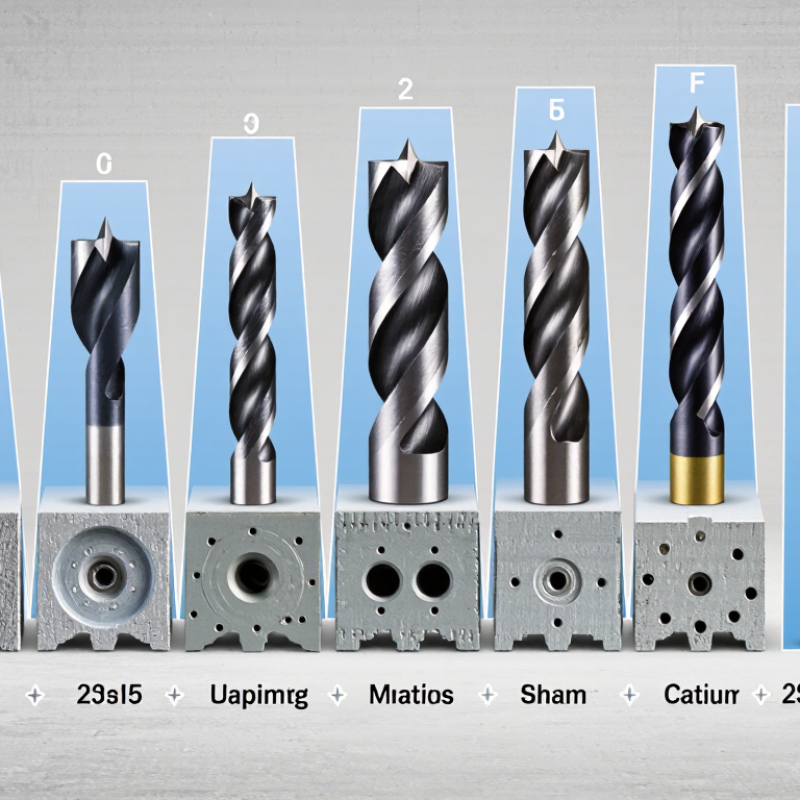
Concrete bits pair a hardened steel body with a carbide cutting tip. The tip’s shape affects how it chips masonry, while spiral flutes carry dust out of the hole. A standard carbide-tipped bit suits a hammer drill for small anchors. For frequent, deeper holes, a rotary hammer and compatible SDS-shank bit deliver a more suitable impact action. The shank improves tool fit, not cutting performance. That distinction is easy to overlook.
Material and geometry should match the task. A broad, durable carbide head can handle demanding masonry work, but it may drill more slowly than a sharper design. Narrow flutes can clog in dusty concrete. OSHA’s respirable crystalline silica standard sets a permissible exposure limit of 50 micrograms per cubic meter, averaged over eight hours, with a 25-microgram action level. That workplace benchmark is a useful reminder: dust control matters alongside bit selection. No bit stays sharp forever.
Tips: Match the bit diameter to the anchor instructions. Use hammer action only when the bit and tool allow it. Clear dust from deep holes, and stop if the tip overheats or the hole wanders.
Concrete varies from soft, older slabs to dense mixes packed with coarse aggregate. For small anchor holes, a carbide-tipped masonry bit in a hammer drill is often suitable. Match its diameter to the anchor and check the tool’s chuck before starting. For frequent or deeper holes, use a rotary hammer with a compatible SDS-shank bit; it transfers impact efficiently and usually makes steadier progress. A standard round-shank bit will not fit every rotary hammer.
Large openings need a different approach. Diamond core bits can produce cleaner circular holes for pipes or conduits, but they require a compatible drill and careful control. If the bit suddenly slows, embedded steel may be the cause. Don’t force it; stop and reassess the tool, bit, and hole location. It’s easy to focus on bit hardness and overlook the concrete itself. A cautious choice can take longer, but overheating or a wandering hole costs more time.
Tips: Clear dust as you work, and wear eye and respiratory protection. Keep the drill aligned; a slight tilt can spoil an anchor hole. Check the bit for worn carbide or a rounded cutting edge. Small details matter. When uncertain about reinforcement, pause and inspect rather than pushing through blindly.
| Rank | Bit Type | Best Suited For | Tool and Operating Mode | Main Advantages | Limitations and Selection Notes |
|---|---|---|---|---|---|
| 1 | SDS-Plus, four-cutter carbide bit | Frequent small- to medium-diameter holes for anchors and fixings in concrete. | SDS-Plus rotary hammer in hammer-drill mode. | The four-cutter head is less likely to snag if it encounters reinforcing steel and can provide more consistent drilling in demanding concrete. | Choose the correct SDS-Plus diameter and working length. It is not a substitute for a dedicated rebar-cutting tool. |
| 2 | SDS-Plus, two-cutter carbide bit | Routine anchor holes and general-purpose drilling in plain concrete or masonry. | SDS-Plus rotary hammer in hammer-drill mode. | A widely available, practical choice for everyday drilling; suitable for many common small-hole tasks. | Can snag or suffer damage if it hits reinforcing steel. For reinforced concrete or frequent heavy use, consider a suitable four-cutter design. |
| 3 | SDS-Max, four-cutter carbide bit | Larger or deeper holes and demanding work in hard or reinforced concrete. | SDS-Max rotary hammer in hammer-drill mode. | The larger shank and multi-cutter head suit heavier-duty rotary hammers and help reduce snagging on incidental rebar contact. | Requires an SDS-Max-compatible tool. Confirm the tool’s capacity and the bit’s maximum drilling diameter. |
| 4 | SDS-Max, two-cutter carbide bit | Large-diameter drilling in plain concrete when drilling speed is a priority. | SDS-Max rotary hammer in hammer-drill mode. | A straightforward option for heavy-duty drilling where reinforcing steel is not expected. | More vulnerable to snagging on rebar than many four-cutter designs. Do not use it to intentionally cut reinforcing steel. |
| 5 | Straight-shank carbide masonry bit | Small holes in light-duty concrete, brick, or block when an SDS rotary hammer is not needed. | Hammer drill with a compatible chuck; use the hammer setting only if the bit and tool permit it. | Works with common chuck-equipped drills and is convenient for occasional, smaller holes. | Generally slower and less suited to repeated or large-diameter concrete drilling than a rotary-hammer bit. Check shank and chuck compatibility. |
| 6 | Long-reach SDS-Plus or SDS-Max bit | Deep holes, thick concrete sections, or installations requiring extra reach. | Rotary hammer matching the bit’s SDS shank; use the specified hammer-drill mode. | Reaches beyond standard-length bits and can reduce the need to reposition equipment for deep drilling. | Long bits can wander or flex more easily. Use a suitable guide where practical, clear dust regularly, and select the shortest length that reaches the required depth. |
| 7 | Wet diamond core bit | Large, clean openings through concrete, including reinforced concrete when the bit is rated for it. | Compatible core drill or approved drilling system with water feed; follow the system’s operating instructions. | Produces a circular core rather than a full-diameter drilled hole and is useful for service penetrations and larger openings. | Requires water management and a compatible drive system. Check the bit’s concrete and rebar suitability; secure the rig where required. |
| 8 | Dry diamond core bit | Core drilling where water use is unsuitable and the bit is specifically designed for dry operation. | Compatible core-drilling tool, generally in rotary mode, with effective dust extraction where specified. | Avoids water supply and slurry cleanup, making it useful in suitable indoor or finished areas. | Not every diamond core bit is rated for dry use. Follow the bit’s duty cycle and dust-control requirements; do not use hammer action unless expressly permitted. |
| 9 | Carbide-tipped core bit for masonry and block | Large holes in brick, concrete block, and other materials approved for that specific core bit. | Use the compatible arbor and drill; follow the manufacturer’s specified speed and impact-mode guidance. | Can create larger openings in suitable masonry without drilling many overlapping small holes. | Many carbide-tipped masonry core bits are not intended for hard, reinforced concrete. Check the rated materials and tool compatibility before use. |
| 10 | Dedicated rebar-cutting bit | Cutting reinforcing steel encountered during an approved drilling task. | Use the specific compatible tool and operating mode stated for the rebar cutter; many require rotary-only operation. | Designed for cutting steel reinforcement rather than relying on a standard masonry bit to pass through it. | Cutting reinforcement can affect structural capacity. Obtain appropriate approval before cutting, and follow the cutter’s instructions and site safety procedures. |
Choosing among ten concrete-bit types depends on hole size, tool, and finish. A standard carbide masonry bit suits small anchor holes in a regular hammer drill. A straight-shank hammer bit handles similar work but is designed for repeated impact. For SDS-plus tools, a two-cutter bit is a practical general choice, while a four-cutter head can track steadily through tougher aggregate. Small holes only.
For heavier work, an SDS-max bit pairs with a larger rotary hammer and wider holes. A long-reach bit reaches through thick walls, though extra length can wander if pressure is uneven. Multi-material bits can move between masonry and other surfaces, but they are not always as fast in concrete. Diamond core bits make clean, larger openings for pipes. Hollow-core versions remove a cylinder of material and suit larger penetrations. Tile-to-concrete bits help start holes without cracking a finished surface; check their stated use before applying hammer action.
A rebar-cutting bit is a specialist option when steel blocks progress, not a substitute for checking what lies inside a wall. I would not treat these ten as a strict ranking: the wrong shank or cutting head wastes time. Match the bit to the drill, follow its speed guidance, and use eye protection and dust control. Slow and steady. I still find bit selection less obvious than it looks on a shelf.
Choosing a concrete bit starts with the fastener, not the drill. Match the bit diameter to the anchor’s specified hole size; guessing can leave the anchor loose or make it impossible to seat. A 6 mm anchor, for example, usually calls for a 6 mm masonry bit, but check its instructions. Carbide-tipped masonry bits suit many small holes in concrete. For repeated or larger holes, an SDS rotary hammer and compatible bit can make the work easier.
Set the depth before drilling. Measure the required embedment, then follow the anchor maker’s guidance for hole depth; some holes need extra room for dust. A depth stop helps keep holes consistent. If you do not have one, wrap tape around the bit as a visual marker. It is less precise. Clear dust from the hole with an appropriate brush or vacuum, since packed debris can prevent a fastener from gripping properly.
Choose the drill mode for the material and bit. A hammer drill is useful for ordinary concrete holes, while a rotary hammer is better suited to heavier work. Start slowly to keep the bit from wandering, then apply steady pressure without forcing it. Dust matters. Wear eye protection and suitable respiratory protection, and check for hidden wiring or pipes before drilling. If the bit hits metal unexpectedly, pause and reassess rather than leaning harder into it.
Concrete drilling is controlled work, not a test of strength. Match the bit’s shank and size to the drill, and use a setting intended for masonry. Before drilling, check for pipes and cables, secure the material, and mark the hole depth with tape. Wear eye and hearing protection, plus a properly fitted respirator. Concrete dust is easy to underestimate. Use suitable dust extraction where possible.
Keep both hands on the drill and stand with balanced footing. Let the bit cut at a steady pace; forcing it can overheat the tip or make the drill harder to control. If progress slows, stop and inspect the bit rather than pressing harder. It is tempting to rush here. I still think that pause is easy to skip. Clear dust only after the drill stops, and let a hot bit cool naturally before handling it.
Tips: After use, brush dust from the flutes and check the carbide tip for chips or unusual wear. Replace damaged bits. Store them dry, separated from loose tools, so the cutting edges do not knock against metal. Follow the drill and bit makers’ instructions for cleaning and operation.
The chart shows examples of commonly available masonry bit diameters, not a performance ranking. Choose a bit compatible with your drill and the material, and follow the fastener or anchor manufacturer’s instructions for the required hole diameter and depth. Wear eye protection and use dust control when drilling masonry.
A carbide-tipped masonry bit in a hammer drill often works well. Match the bit diameter to the anchor.
It suits frequent or deeper holes. Use a compatible SDS-shank bit; a round-shank bit may not fit.
A diamond core bit can make a cleaner opening for a pipe or conduit. Check drill compatibility and keep the tool controlled.
Stop and inspect. Embedded steel may be the cause, so don’t force the bit through.
Hold the drill aligned and mark the target spot. Even a slight tilt can spoil the hole.
Check for pipes and cables, secure the material, and mark the depth with tape. Wear eye, hearing, and respiratory protection.
Stop and inspect the bit instead of pressing harder. It’s easy to rush this pause.
Brush dust from the flutes and check the carbide tip for chips or wear. Let hot bits cool naturally. Store them dry, away from loose metal tools.
This guide explores how Concrete Drill Bits are designed for demanding work, from their cutting tips and flute shapes to the materials that help them handle abrasive surfaces. It explains how to match bit types to different concrete conditions and job requirements, then compares ten options for tasks such as drilling small anchor holes, making deeper openings, and working with reinforced material.
Readers will also learn how to choose an appropriate bit diameter and drilling depth, and how to pair the bit with a suitable drill. Practical guidance covers steady drilling, managing heat and dust, and inspecting bits for wear or damage. By understanding these factors, you can select a bit that fits the task, work more efficiently, and help extend the life of both your tools and accessories.

KAT DRILLING