When selecting the right Retrac Drill Bits for your projects, several factors come into play. Understanding your specific needs is crucial. Retrac Drill Bits are designed for efficient drilling, particularly in challenging conditions. They are used widely in mining and geological applications.
The variety of sizes and designs can be overwhelming. Each option has its unique advantages. Poor choices can lead to increased costs and time delays. Therefore, knowing the specific geology you will encounter is imperative. This knowledge will guide you in selecting the appropriate type and size of Retrac Drill Bits.
As you explore your options, consider the brand's reputation and user reviews. Reliable brands often offer better warranties and support. Engaging with experienced professionals can provide valuable insights. Reflection on past projects may help identify what works best for your needs. Ultimately, the right choice can enhance productivity and reduce operational challenges.
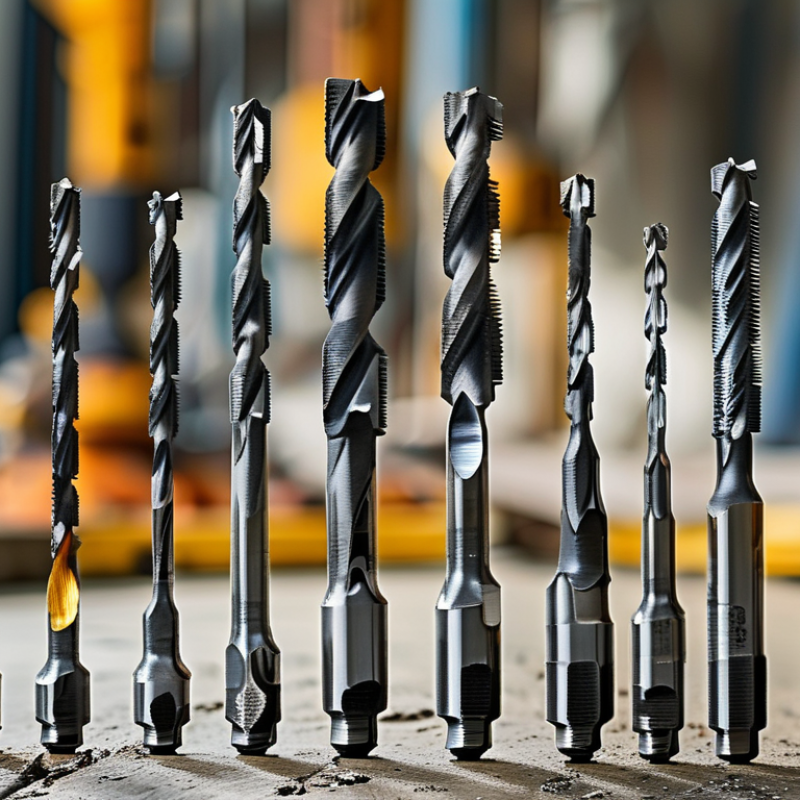
When choosing retrac drill bits, it's essential to consider the specific rock formations you'll encounter. Different types of rock require distinct drilling techniques and bit designs. For instance, harder rocks like granite or basalt necessitate durable bits with tougher materials. These bits usually feature a reinforced structure to withstand high pressure and abrasion. On the other hand, softer sedimentary rocks allow for more flexibility in bit design. A standard PDC bit may work efficiently here.
You may also face challenges while selecting bits for mixed formations. Transitional zones can vary greatly in hardness and composition. Using a single type of drill bit may not be effective in such conditions. It’s often necessary to switch between types depending on the formation you’re drilling through. This flexibility can lead to increased downtime, which isn't ideal. It’s important to have a well-planned strategy in place.
Maintaining awareness of wear patterns on your drill bits can help enhance performance. Regularly inspecting for damage or wear can guide you in making timely replacements. Balancing the bit choice with the geological conditions can be a frustrating yet crucial part of drilling operations. Keeping all of this in mind ensures that you choose the most suitable retrac drill bits for your needs.
: The diameter impacts speed and efficiency. Larger diameters increase material removal, while smaller ones provide precision.
Length affects the depth reachable and stability. Longer bits penetrate deeper but may bend more easily.
Yes, testing different sizes can improve performance. Adjust based on wear and effectiveness observed during use.
Softer rock allows larger bits, while harder materials need smaller, more precise options for effective drilling.
Cheaper bits may wear out quickly, leading to frequent replacements. This can cost more in time and money.
Quality bits may have higher upfront costs but generally last longer, reducing the need for replacements in the future.
Different projects may require different bits. Consider the frequency of use and the materials being drilled.
Yes, monitoring wear can help you make necessary adjustments to improve efficiency and drill performance.
The direction of drilling should be considered. It can influence the effectiveness of the selected drill bit.
Balance initial costs against longevity and effectiveness. A well-thought-out choice can enhance drilling efficiency.
When selecting the best Retrac Drill Bits for your drilling needs, it's crucial to consider various factors tailored to different rock formations. The material composition of Retrac Drill Bits plays a significant role in their durability and efficiency. Additionally, evaluating the diameter and length can impact performance significantly, ensuring compatibility with your drilling machinery and objectives.
Key performance metrics such as penetration rate and wear resistance should also be assessed to gauge how Retrac Drill Bits will perform in specific drilling operations. Finally, a balance between cost and longevity is essential for making an informed decision, as investing in quality bits may yield better results in the long run. By carefully weighing these factors, you can choose the most suitable Retrac Drill Bits for optimal performance in your drilling projects.

 KAT DRILLING