Choosing the right Rock Drilling Auger Bit can significantly affect your project’s success. An ideal auger bit enhances efficiency, durability, and precision in drilling tasks. However, selecting one isn't always straightforward.
Many factors come into play. For instance, the type of material you will be drilling into matters greatly. Soft soils require different bits than hard rock formations. Understanding these differences is crucial and can be overwhelming.
Moreover, considering design features such as length, diameter, and cutting edges is essential. Some bits excel in specific conditions while failing in others. It's important to evaluate where and how often you will use the Rock Drilling Auger Bit. Don’t rush this decision; it can lead to frustration and extra costs. Keep in mind, even experienced professionals occasionally choose the wrong bit. Reflecting on your choices can help improve your future selections.
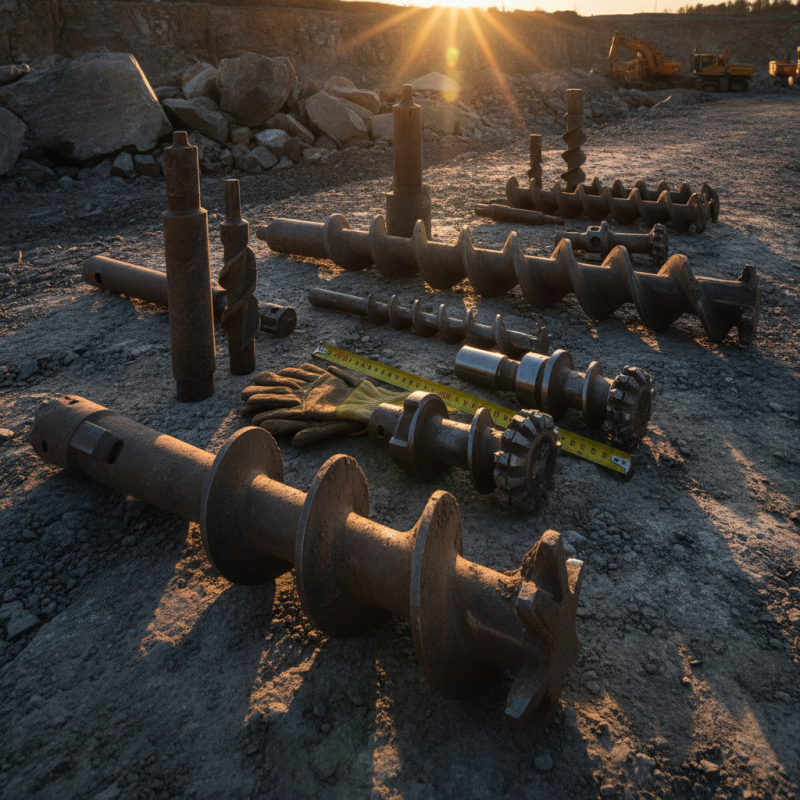
When selecting a rock drilling auger bit, understanding the different types available is crucial. Rock drilling augers come in several designs. Some are optimized for soft rock, while others work better with hard formations. A recent industry report indicates that the right auger can enhance drilling efficiency by over 30%. This is significant for any excavation project.
Common types include spiral or helical augers, which are efficient in softer rock types. They break up material as they drill. On the other hand, heavy-duty bits are ideal for hard, rocky soil. These typically feature reinforced tips that can withstand greater wear and tear. A study found that using specialized bits can reduce maintenance costs by approximately 20%.
Tips for choosing the right auger: Always consider the geological conditions. This impacts both bit performance and lifespan. Invest in high-quality materials for better durability. Assessing user reviews can also provide insight into performance. Experimenting with different styles might lead to valuable discoveries, but it also carries risks. Keeping these factors in mind can help when navigating the choices available in the market.
| Type of Auger Bit | Best For | Material | Diameter | Length | Weight |
|---|---|---|---|---|---|
| Rock Auger | Hard rock drilling | High carbon steel | 3 inches | 36 inches | 15 lbs |
| Button Bit Auger | Soft to medium rock | Tungsten carbide | 2 inches | 24 inches | 10 lbs |
| Spiral Auger | Soil and loose materials | Steel alloy | 4 inches | 48 inches | 8 lbs |
| Diamond Core Bit | Concrete and granite | Diamond-coated | 1.5 inches | 12 inches | 5 lbs |
: There are spiral or helical augers for soft rock and heavy-duty bits for hard formations.
Choosing the right auger can improve drilling efficiency by over 30%, especially in excavation projects.
Material type affects durability and performance; high-grade steel lasts longer than lower-grade options.
Tungsten carbide tips increase penetration rates by 25% and withstand high temperatures, reducing damage risks.
Clean the bit after each use and check for wear signs regularly to extend its life.
Not always. Evaluate your project needs; sometimes, mid-range bits perform satisfactorily.
User reviews can provide insights into performance, helping you choose the best auger for your needs.
Geological conditions affect both performance and lifespan, making it vital to consider when selecting an auger.
Yes, experimenting can lead to valuable insights but also involves risks and potential setbacks.
Reflecting on previous issues with auger bits can guide better choices for current projects.
Choosing the right Rock Drilling Auger Bit is crucial for efficient drilling operations. This article explores various types of auger bits available and highlights key specifications that are essential for selecting the most suitable option for your specific needs. Compatibility with drilling equipment is also discussed, emphasizing the importance of ensuring a proper match for optimal performance.
Additionally, material types affect both the performance and longevity of the Rock Drilling Auger Bit, making it vital to consider these factors in your selection process. Finally, the article evaluates the cost-effectiveness of auger bits, guiding readers on how to budget for high-quality options without compromising on performance. Understanding these elements will help users make informed choices that enhance their drilling projects.

 KAT DRILLING