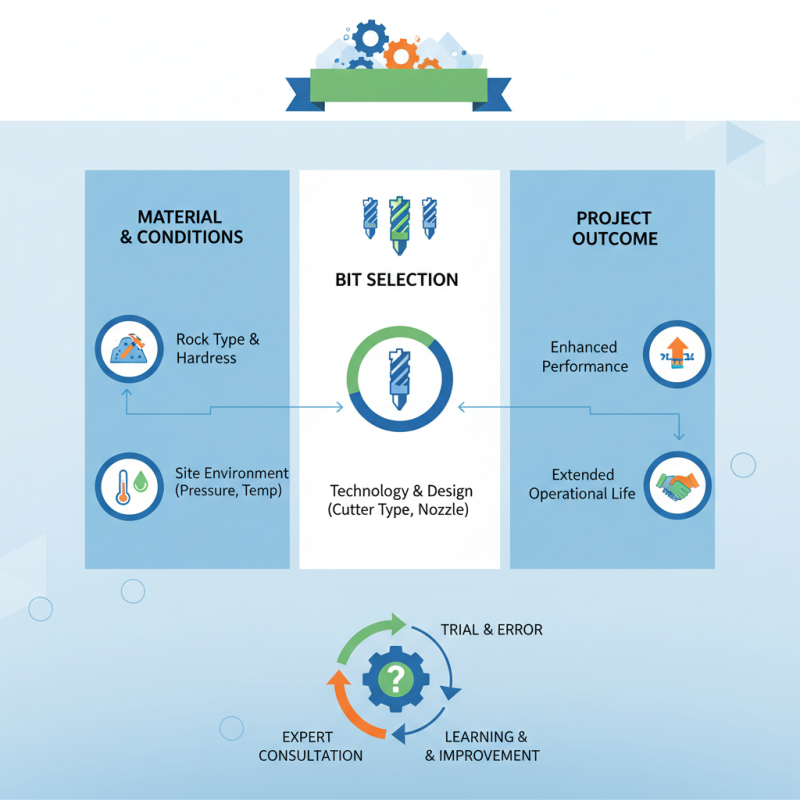
Choosing the right High Pressure Drilling Bit is crucial for efficiency and success in drilling projects. Many factors influence this decision. The type of material being drilled and the specific conditions of the site are two significant considerations.
High pressure applications demand precision. A well-chosen bit can enhance performance and extend operational life. However, poor choices can lead to setbacks. It’s essential to evaluate both the technology and the terrain. Balancing durability and efficiency remains a challenge.
Each drilling scenario is unique. It requires thoughtful consideration of the High Pressure Drilling Bit's design and application. Engaging with experts can provide insights. Despite best efforts, mistakes might happen. Learning from these experiences is key to improving future selections.
High pressure drilling is a crucial aspect of industries like oil and gas, geothermal energy, and water well drilling. It unlocks resources buried deep beneath the Earth's surface. Understanding its importance means recognizing how it enhances efficiency and production rates. High pressure drilling allows for the extraction of minerals and fluids from challenging geological formations. The process requires specialized techniques and equipment to safely manage the significant forces involved.
When selecting the best high pressure drilling bit, consider the rock type and formation conditions. Different bits are designed for different materials. For instance, a roller cone bit may perform well in soft formations, while a diamond bit excels in harder areas. Always match your bit choice with the specific challenges of your drilling project.
Tip: Regularly monitor the bit's performance. This will help identify wear and inefficiencies.
Additionally, training crew members is vital. A well-trained team can react to unexpected challenges effectively. They can also help in maintaining the operational integrity of the equipment.
Tip: Invest in ongoing education for the drilling crew. This ensures they understand the latest techniques and safety protocols.
Careful consideration of each layer of drilling will lead to better performance and safety outcomes. Each drilling project presents unique challenges, and reflection on past experiences can guide future decisions.
| Application | Material Type | Bit Type | Pressure Rating (psi) | Ideal Use Cases |
|---|---|---|---|---|
| Oil & Gas | Steel | PDC Bit | 5000 | Deep drilling in hard formations |
| Mining | Tungsten Carbide | Roller Cone Bit | 3000 | Soft to medium-hard rock |
| Geothermal | Diamond | Diamond Bit | 4000 | High-temperature and abrasive formations |
| Water Well | Steel | Mud Bit | 2000 | Soft to medium formations for water wells |
| Construction | Carbide | Tricone Bit | 2500 | Foundation drilling in mixed materials |
: Tungsten carbide offers great wear resistance. Steel provides flexibility but wears faster.
Bit design affects efficiency. PDC bits work well in hard rock, while roller cone bits suit softer materials.
High pressure requires durable bits. Mismatched specifications can lead to failures, impacting operations.
The main types are roller cone bits, fixed cutter bits, and down-the-hole bits, each suited for specific formations.
Diamond coatings enhance durability and performance but can be expensive. Not all are suitable for every task.
Testing different bits helps identify optimal performance. Sometimes, a bit may not meet expectations, leading to important evaluations.
Previous successful choices may not work today. Reflection is essential to adapt to changing conditions and demands.
Consider rock type, depth, and pressure. Careful analysis and adapting to conditions is key for the best fit.
Experienced professionals provide valuable insights into complexities, helping to ensure better drilling solutions.
Understanding specific operational needs and testing options can enhance overall drilling operations and minimize expenses.
When selecting the best High Pressure Drilling Bit for specific needs, it is essential to understand the significance of high pressure drilling in various industries. High pressure drilling involves techniques that enhance the efficiency and effectiveness of extracting resources, making the choice of drilling bit a critical factor. Key considerations include the bit's design, compatibility with the drilling environment, and the specific application it will serve.
There are various types of High Pressure Drilling Bits available, each suited to different conditions and materials. Evaluating options such as materials and coatings can significantly affect the bit's durability and overall performance, ensuring it withstands demanding drilling environments. Additionally, a thorough cost analysis is crucial to strike a balance between quality and budget, enabling informed decisions that lead to successful drilling operations.

 KAT DRILLING