How to Choose the Right Core Drill Bits for Your Project?

Time:2026-06-16 Author:Ethan
0%

Choosing the right core drill bits is crucial for project success. These tools are essential for various applications, including construction and renovation. Selecting the best options can seem daunting, given the variety available.

Core drill bits come in different sizes, materials, and designs. Users must consider their specific needs, such as the type of material being drilled. Factors like depth, diameter, and the drill itself play significant roles in selection. Quality matters. Investing in the right core drill bits can save time and effort in the long run.

It’s important to remember that not every option fits every job. Some bits may break under pressure. Others may not drill clean holes. Researching from reputable sources and consulting experts can guide informed decisions. Ultimately, selecting core drill bits should combine knowledge, experience, and thoughtful consideration of project requirements.
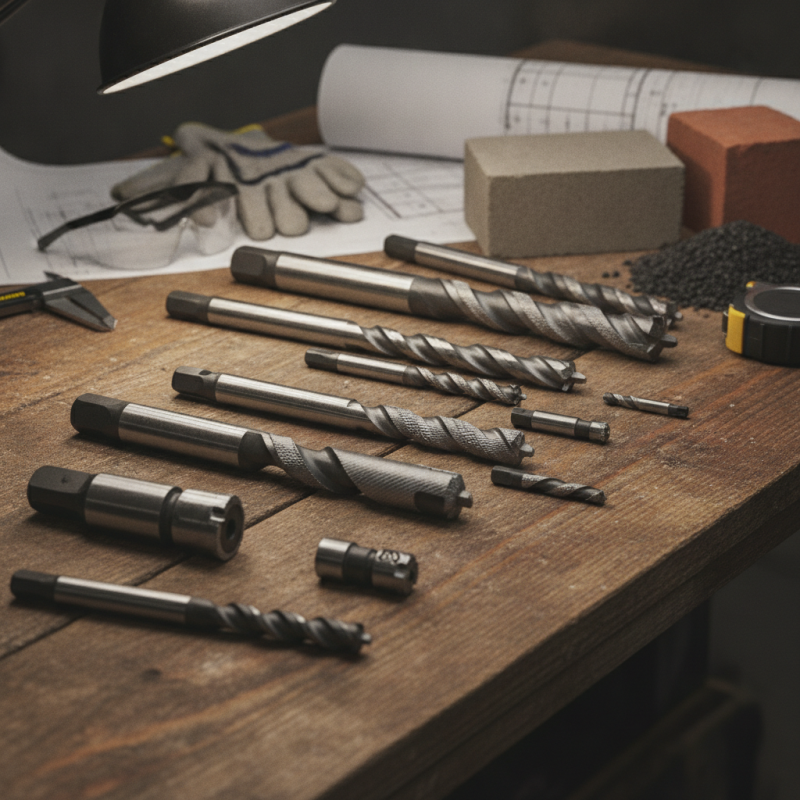
How to Choose the Right Core Drill Bits for Your Project?

Understanding Core Drill Bits: Types and Uses

Core drill bits are essential tools for various construction and renovation projects. Understanding their types and applications can greatly enhance your project outcomes. There are several types of core drill bits, each designed for specific materials. For example, diamond core bits are ideal for concrete, while carbide-tipped bits work well on brick and masonry.

When selecting a core drill bit, consider the material you'll be drilling. The wrong choice can lead to subpar results or even damage. It's often tempting to opt for a single bit type, but versatility is key. You might find yourself needing different bits as your project progresses. Acknowledging this can save time and frustration.

Drilling technique also plays a crucial role. It's not just about the equipment; proper handling is vital. Rushing can lead to mistakes or accidents. Take time to practice and understand the mechanics involved. This reflection can help you achieve better results in the long run. Each drill bit has its unique characteristics that require attention and care.

Factors to Consider When Selecting Core Drill Bits

When selecting core drill bits, several factors come into play. The type of material you will be drilling into is crucial. Different materials like concrete, brick, and stone require specific drill bits. For example, diamond-tipped bits work well with harder materials, while carbide-tipped bits are suited for softer ones.

Another important consideration is the size of the hole needed. Core drill bits come in various diameters and lengths. Accurate measurements are essential to ensure the right fit. Additionally, consider the power source for the drill. Electric drills may be easier for small projects, while larger tasks might require a gas-powered rig. The weight and portability of the drill also matter, especially for on-site jobs.

One common pitfall is ignoring the drill bit's compatibility with your existing equipment. It's wise to double-check specifications and features. Sometimes, people rush into buying bits without understanding their needs. This can lead to wasted time and money. Reflecting on your project's unique requirements can guide a more informed selection.

Material Compatibility: Choosing Bits for Different Substrates

When choosing core drill bits, material compatibility is crucial. Different substrates require specific types of bits for optimal performance. For instance, masonry and concrete need diamond or carbide-tipped bits. These materials withstand the hardness of these surfaces, ensuring a cleaner cut. However, using the wrong bit type can lead to poor results. For example, a standard steel bit may quickly dull or break when attempting to drill into concrete.

Wood and soft metals, on the other hand, require bits with a different design. High-speed steel bits work well for these materials. They can create clean holes without excessive force. However, users often overlook maintenance. A dull bit can ruin an otherwise good project. Proper upkeep can maximize tool lifespan.

It's also essential to consider the bit's diameter and length. This impacts drilling speed and precision. A longer bit may be needed for deep holes, while a wider bit can expedite the process. However, larger isn't always better. Sometimes, a smaller bit provides more control and finer details. Users must balance size and function based on specific project requirements.

Diameter and Depth: Sizing Your Core Drill Bits Appropriately

Choosing the right core drill bits hinges significantly on the correct sizing in terms of diameter and depth. According to the Concrete Foundation Association, the diameter of the core bit should match the size of the hole required for your project. Common diameters range from 1 inch to over 14 inches. Larger cores might seem tempting, but expanding the hole can weaken structural integrity. Understanding the specific requirement of the material, whether it's concrete or stone, directly influences tool selection.

Depth is equally crucial. A standard core bit offers depths of 12 to 20 inches. If your project exceeds this, consider multiple passes or a deeper bit. Inadequate depth can lead to incomplete drilling, causing setbacks and increased costs. The National Drilling Association emphasizes the importance of selecting a bit that suits your specific depth needs. If your project requires precision, measure carefully to avoid trial and error.

Mistakes often arise from misjudging the hole size or depth, leading to wasted time and materials. Reflecting on past experiences can guide future choices. It’s essential to consult with professionals and utilize communal knowledge or reports for improving accuracy in sizing. Working with precise measurements will not only enhance efficiency but also ensure overall project success.

Core Drill Bits Diameter and Depth Comparison

Maintenance and Care Tips for Longevity of Core Drill Bits

Proper maintenance of core drill bits is essential for longevity and efficiency. Regularly inspect your bits for wear and damage. A small chip can affect performance significantly. Clean them after each use to remove debris. Ensure they are stored in a dry place to prevent rust. Moisture can weaken the metal, making future drilling more challenging.

Using the right lubricants can enhance performance. Although it may seem trivial, lubrication reduces friction. Less friction means less wear. When drilling, avoid applying too much pressure. This can cause premature wear. Instead, let the drill bit do the work. Watch for changes in the sound during drilling; it can indicate an issue.

Learn from mistakes, too. If a bit breaks, analyze the cause. Was it overused? Were the wrong materials involved? Understanding what went wrong helps prevent future problems. Proper habits yield longer-lasting tools. Taking time for care translates to better performance on your projects.

FAQS

: Why is material compatibility important when selecting core drill bits?

: Different surfaces need specific bits. Using the wrong type can lead to dulling or breaking.

What type of bits are recommended for masonry and concrete?

Diamond or carbide-tipped bits are ideal. They withstand hardness and ensure a cleaner cut.

What issues arise from using a dull bit?

A dull bit can ruin projects. It is essential to maintain bits for optimal performance.

How does the diameter of core drill bits affect drilling?

The right diameter must match project requirements. Larger bits can weaken structural integrity.

What should I consider about the depth of the core drill bit?

Depth is crucial. Bits generally offer 12 to 20 inches; more may require multiple passes.

How can size and function balance be achieved?

Users need to assess project requirements. Sometimes a smaller bit provides better control and precision.

What common mistakes occur when sizing core drill bits?

Misjudging hole size or depth often leads to wasted time and materials during projects.

How can reflecting on past experiences help in selecting bits?

Learning from previous projects improves future choices and can enhance drilling accuracy.

What role does professional consultation play in bit selection?

Consulting experts helps refine choices. Their knowledge can improve accuracy and project success.

Why should I measure carefully before drilling?

Precise measurements reduce trial and error, enhancing drilling efficiency and overall results.

Conclusion

Choosing the right core drill bits is essential for the success of any drilling project. Understanding the various types and uses of core drill bits is the first step in making an informed decision. Factors to consider include material compatibility, ensuring that the chosen drill bits are suitable for different substrates, as well as the appropriate diameter and depth for your specific application.

In addition, proper maintenance and care of your core drill bits can significantly extend their lifespan. Regular cleaning, proper storage, and cautious handling are key practices that can help ensure these tools remain effective over time. By carefully considering these aspects, you can select the most suitable core drill bits for your needs, leading to more efficient and successful drilling operations.


Ethan

Ethan

Ethan is a seasoned marketing professional with a deep expertise in our company's innovative product line. With a passion for sharing knowledge and insights, he takes the lead in regularly updating our corporate blog, where he explores industry trends, product features, and effective marketing......