Choosing the right Mining Drill Bit is rarely a matter of picking the hardest option. The correct choice depends on rock type, drilling method, hole diameter, machine power, and operating conditions. A bit that performs well in hard granite may wear quickly in abrasive sandstone. It may also produce unstable holes in fractured ground.
Experienced drilling teams study geological logs, core samples, and previous bit performance before ordering replacements. They compare penetration rate, drilling pressure, rotation speed, vibration, and total cost per drilled metre. Carbide insert bits can suit many rotary and percussive applications, while specialized designs may perform better in extremely hard or broken formations. Manufacturer specifications provide a useful starting point, but field evidence matters more.
Small details can change the result. Water flow affects cooling and dust control. Incorrect feed pressure can damage inserts or reduce cutting efficiency. A worn bit may still drill, yet it can consume more fuel and create uneven hole walls. Check the machine’s chuck, shank, and recommended operating range carefully. No selection guide is perfect. Geological conditions can change within a few metres, and a reliable choice may require controlled trials.
This guide explains how to compare bit materials, profiles, connection types, and wear indicators. It also considers productivity, maintenance, operator experience, and safety procedures. The goal is not simply to buy a longer-lasting bit. It is to select a dependable tool that matches the ground, equipment, and project requirements. Measure the results. Then adjust the decision.
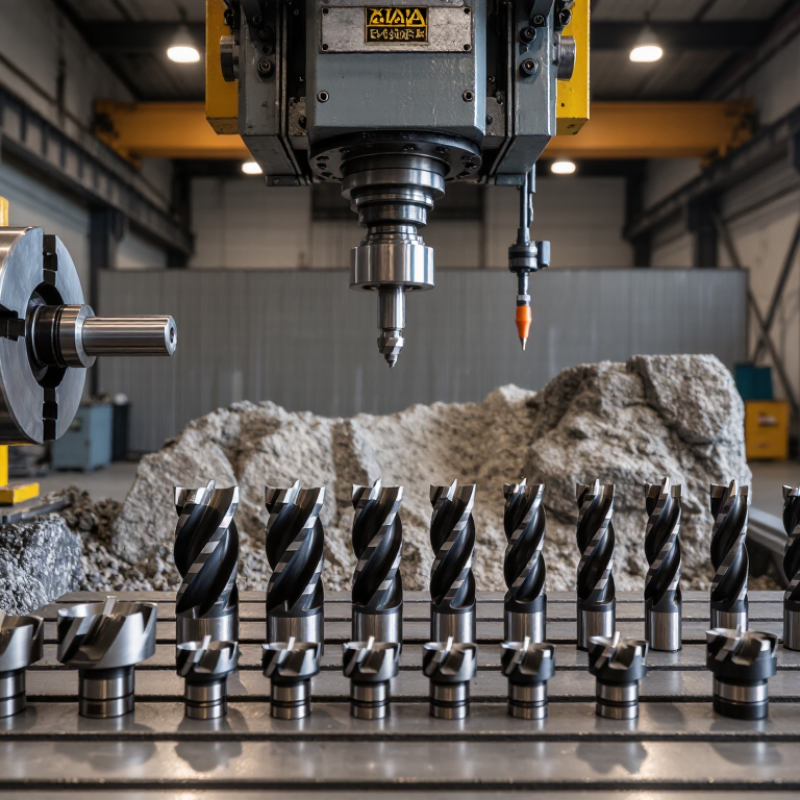
Mining drill bits are the cutting tools fixed to the end of a drill string. They break rock through rotation, pressure, impact, or a combination of these forces. The bit transfers energy into the formation. Its teeth or buttons crush, chip, and grind the rock. Flushing air or water then carries cuttings away from the hole.
Different bits suit different ground conditions. Roller-cone bits use rotating cones with hardened teeth or buttons. They work well in layered formations and mixed rock. DTH hammer bits receive repeated impacts from a hammer behind the bit. They often perform effectively in hard, fractured ground. Drag bits use blades to scrape softer formations. Their performance can drop sharply in abrasive rock. The distinction is not always clean. Some formations change within a few metres.
Choosing the right mining drill bit requires more than checking rock hardness. Examine abrasiveness, fracture patterns, moisture, hole diameter, and required drilling speed. A field technician should inspect worn buttons, chipped cutters, and unusual dust. These details reveal whether the bit is overloaded or poorly matched. I have seen drilling teams focus on penetration rate and miss excessive wear. That choice looked efficient for one shift. It created slower drilling later. Manufacturers’ technical data helps, but site trials remain valuable. Record rotation speed, feed pressure, flushing quality, and metres drilled before changing the bit. Even experienced operators need to recheck their assumptions.
The Mohs hardness scale helps estimate how aggressively a rock or mineral can wear a drill bit. Softer formations are commonly suited to cutting or crushing designs, while harder formations generally require impact-resistant or diamond-enhanced cutting structures.
Use rolling cones with teeth or carbide inserts to crush and chip the formation. They are adaptable across many rock conditions.
Use fixed polycrystalline diamond cutters to shear the rock and are generally most effective in soft to medium, relatively uniform formations.
Transfer percussive energy directly to the bit face and are commonly selected for hard, fractured ground and production drilling.
Grind the formation with exposed diamond particles and are widely used for hard-rock exploration and core drilling.
Mohs hardness is a relative scratch-resistance scale, not a direct measure of drilling performance. Actual bit selection also depends on abrasiveness, fractures, compressive strength, water conditions, hole diameter, and required drilling method.
How to Choose the Right Mining Drill Bit?
Identify the Rock, Drilling Method, and Project Requirements
Rock identification should guide every bit decision. Test core samples, inspect fracture patterns, and check the rock’s abrasiveness. Hard granite can wear cutting edges quickly, while fractured limestone may require better stability. Moisture also matters. Wet ground can clog some designs and reduce drilling control. Laboratory data helps, but field observations remain essential.
Match the bit to the drilling method and equipment. Rotary drilling, down-the-hole drilling, and top-hammer drilling create different impact and rotation demands. Confirm the machine’s operating pressure, torque, rotation speed, and available flushing capacity. A bit that performs well on paper may underperform when air volume is limited. It happens more often than expected.
Project requirements should determine the final choice. Consider hole diameter, target depth, production rate, deviation limits, and expected service life. For a short exploration program, rapid penetration may matter most. For long production cycles, durability and consistent hole quality can reduce replacement delays. Track penetration rate, vibration, wear patterns, and energy use during drilling. These records provide stronger evidence than assumptions. I once treated similar rock layers as identical, and the wear results proved otherwise. Review the data and adjust the bit selection when conditions change.
Compare Bit Designs, Materials, and Cutting Structures
Choosing a mining drill bit starts with the rock, not the catalog. A soft, fractured formation may suit a roller-cone design with durable carbide inserts. Hard, abrasive rock often demands a fixed-cutter bit with carefully spaced diamond elements. Down-the-hole hammers can deliver strong impact in broken ground, but they need clean air and stable pressure.
Small details matter.
Material selection affects both penetration and service life. Tungsten carbide inserts resist repeated impact and remain practical in mixed formations. Polycrystalline diamond cutters can maintain sharp cutting edges in abrasive rock, though excessive heat may damage them. Steel bodies are easier to repair and can absorb vibration. Matrix bodies usually protect cutters better in highly abrasive ground, but they may be less forgiving during sudden impacts.
Cutting structure controls how the bit contacts the face. Dense cutter placement supports steady wear in uniform rock. Wider spacing can improve cooling and reduce torque when cutting becomes aggressive. I have seen operators choose a harder bit, then lose production because the cutters polished instead of cutting.
That mistake is easy to make.
Review penetration rate, torque, vibration, flushing quality, and worn cutter shape after each shift. A dull center usually points to poor loading or an unsuitable profile. Do not judge performance from one hole alone. Ground conditions can change within a few meters, and even experienced crews sometimes need to revise their selection.
Choosing a mining drill bit starts with the drill rig, not the rock alone. The bit must match the rig’s feed force, rotation speed, air system, and connection thread. A mismatch wastes power. Measure the existing shank before ordering. Record the diameter, thread type, shoulder shape, and usable length. Field notes can be more reliable than a faded equipment label.
Bit size controls hole diameter, cutting load, and drilling stability. A larger bit can improve productivity, but it demands more torque and flushing capacity. If the hole supports blasting, check the required diameter and burden before selecting the bit. Shape matters too. Button layouts suit different rock conditions, while face profiles affect penetration and wear. In fractured ground, a robust profile may outperform a sharper one, even when drilling feels slower. No bit is ideal everywhere.
Connection accuracy is non-negotiable. A loose fit can damage threads, reduce impact transfer, and create uneven wear. Clean the threads, inspect the shoulder, and follow the specified assembly practice. Field inspections often reveal teams blaming the bit when an incorrectly seated connection caused poor performance. That mistake is easy to repeat. Track meters drilled, penetration time, air pressure, and wear after each shift. These records help refine size and shape choices for the actual rig, not a catalogue estimate.
How to Choose the Right Mining Drill Bit?
Evaluate Performance, Maintenance, Cost, and Service Life
Choosing a mining drill bit requires more than matching a catalog diameter. Start with rock hardness, abrasiveness, fracture patterns, and the required hole depth. Performance should be measured by penetration rate, hole accuracy, vibration, and flushing efficiency. A fast bit is not automatically effective. If cuttings remain in the hole, progress may look good while wear accelerates. Record meters drilled per shift and inspect the hole wall for deviation.
Maintenance directly affects both safety and productivity. Check cutting elements, threads, seals, and the bit body after each shift. Look for uneven wear, chipped edges, overheating marks, or unusual vibration. Clean flushing passages before debris becomes compacted. Correct rotation speed, feed pressure, and water or air flow can extend working life. Operators often notice these changes before a spreadsheet does. Their observations deserve a place in the maintenance log.
Purchase price alone can mislead. Calculate cost per drilled meter, including replacement time, labor, downtime, and discarded components. A more expensive bit may perform better in abrasive ground, but this should be verified through controlled site records. Service life also depends on the machine, operator habits, ground conditions, and maintenance quality. No selection method is perfect. Review the results after each project, because an apparently successful choice may still hide avoidable wear.
Examine hardness, abrasiveness, fractures, and moisture. Hard granite may wear cutting edges quickly. Fractured limestone may need greater stability.
Rotary, down-the-hole, and top-hammer drilling create different forces. Check impact demand, rotation speed, torque, and flushing capacity.
Confirm feed force, rotation speed, air supply, and connection thread. Measure the shank, diameter, shoulder shape, and usable length.
Larger bits create wider holes but require more torque and flushing capacity. They may improve output, though not always.
Button layouts and face profiles affect penetration, stability, and wear. A stronger profile may suit fractured ground better.
Loose connections can damage threads and reduce impact transfer. Uneven wear may follow. The bit may receive unfair blame.
Track meters drilled, penetration time, hole deviation, vibration, air pressure, and wear. Records reveal patterns that assumptions miss.
Inspect cutting elements, threads, seals, and the bit body after each shift. Clean blocked passages and adjust pressure, rotation, and airflow.
No. Calculate cost per drilled meter, including downtime, labor, replacements, and discarded parts. A higher purchase price may reduce delays.
Yes. Review wear, penetration, hole quality, and energy use regularly. Similar-looking rock layers can behave differently. Reconsider the choice.
Choosing the right Mining Drill Bit is essential for achieving efficient, accurate, and cost-effective drilling results. A drill bit is the cutting tool that breaks and removes rock, so its design must match the formation and the drilling method, such as rotary, percussion, or down-the-hole drilling. Before making a selection, consider the rock’s hardness, abrasiveness, fracture patterns, moisture, and overall project requirements, including drilling depth, hole diameter, and expected production rate.
Bit designs, materials, and cutting structures should be compared according to their ability to handle specific ground conditions. The bit’s size, shape, shank, and connection must also be compatible with the drill rig to ensure safe and stable operation. Finally, evaluate penetration speed, durability, maintenance needs, replacement frequency, and total operating cost rather than focusing only on the initial purchase price. The best choice balances performance, service life, and ease of maintenance for the complete drilling application.

KAT DRILLING