In the competitive world of mining and construction, the choice of Hard Rock Drilling Bits is crucial. These specialized tools are designed to penetrate tough rock formations efficiently. Selecting the right bit can significantly impact project timelines and costs.
With numerous options available, it's essential to consider factors such as material composition and design. High-quality Hard Rock Drilling Bits often feature carbide or diamond coatings. These materials enhance durability and cutting efficiency, making them indispensable for professionals in the field. However, understanding different bit types and their applications remains a challenge.
Companies must rely on expert insights to make informed decisions. This guide seeks to provide clarity on the top Hard Rock Drilling Bits available today. As global procurement strategies evolve, knowing what works best is essential for maintaining productivity and safety. It’s a complex landscape, and sometimes, even experienced professionals find it difficult to navigate effectively.
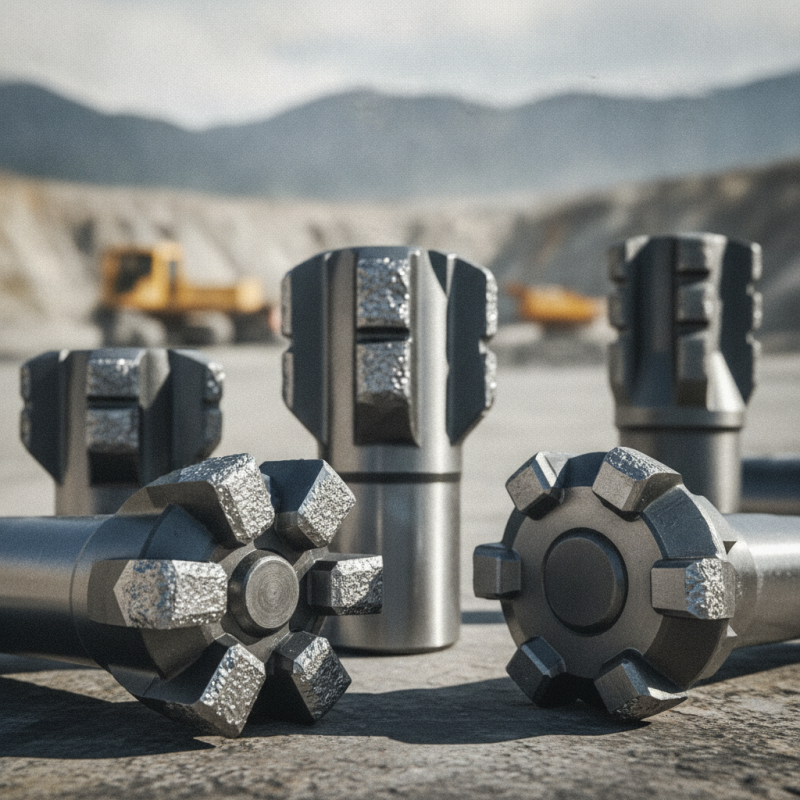
Hard rock drilling bits are essential tools in various industries, including mining, construction, and geothermal energy. These bits are designed to penetrate tough geological formations, ensuring efficient drilling processes. According to industry reports, nearly 30% of drilling delays are attributed to bit failure or inefficiency. Selecting the right bit can significantly impact both time and cost in a drilling project.
Different hard rock drilling applications require specific types of bits. For instance, PDC bits are preferred for their longevity and efficiency in hard formations. Studies show that using the right bit can reduce drilling costs by up to 25%. However, many operators still struggle to match bit types with their specific geological challenges, leading to inefficiencies and increased operational costs.
Despite advancements, not all drilling projects achieve optimized performance. Some operators do not fully assess their geological conditions before selecting bits. Inconsistent monitoring and maintenance of equipment can also contribute to unexpected failures. As the demand for efficient drilling continues to rise, a deeper understanding of hard rock drilling technologies is essential for improving outcomes in future projects.
Hard rock drilling bits play a crucial role in various industries, including mining and construction. Understanding the types of bits can enhance procurement efficiency. Key types include diamond bits, tungsten carbide bits, and tri-cone bits. Each type has unique characteristics suited for different rock formations and drilling conditions.
Diamond bits offer superior durability and cutting efficiency, making them ideal for hard rock applications. They penetrate rock swiftly but may be costly.
Tungsten carbide bits are versatile and can handle tougher materials, making them a popular choice.
Tri-cone bits, with their rotating cones, are effective for mixed formations. However, they may require more maintenance and present performance inconsistencies.
Tip: Always assess the geological conditions before selecting a bit type. Matching the right bit to the rock type can minimize costs and time. Consider conducting a trial run when possible.
In procurement, consider the supplier’s reliability. Research their reputation and past performance. This helps avoid subpar products that can lead to delays or safety hazards.
Tip: Keep an eye on maintenance. Regularly inspecting bits can prevent breakdowns and extend their lifespan. Efficient maintenance practices can lead to cost savings in the long run.
When considering hard rock drilling bits, several key features must be prioritized for efficient procurement. Durability is critical. Bits must withstand high pressures and extreme temperatures. Look for materials that resist wear and tear over time. Quality matters in a harsh environment where reliability impacts project timelines.
Another essential feature is the bit's design. Consider the shape and size of the cutting structure. These factors influence penetration rates and overall performance. Bits with optimal geometry can enhance drilling efficiency. Also, understanding the geological formation is vital. Not all bits perform equally across different rock types. Assessing soil and rock characteristics can lead to better choices.
Pricing and supplier reliability cannot be overlooked. Engaging with trusted suppliers ensures that you receive the best quality at a reasonable price. However, cheap options may compromise performance. Balancing cost with expected results is a challenging yet necessary task. Conduct thorough research on the durability and performance of different bits. This knowledge will drive smarter decisions in drilling operations.
Hard rock drilling technology is rapidly evolving. The demand for efficient and durable drilling bits continues to grow. Innovations in materials and designs enhance performance. Improved tungsten carbide inserts are now common. These materials resist wear and increase longevity. Recently, manufacturers have started using advanced composites. This creates lighter but stronger bits. Lighter equipment can lead to higher drilling speeds.
The integration of IoT technology also offers exciting possibilities. Sensors in drilling bits provide real-time data. This information helps optimize drilling parameters. Operators can make adjustments on the fly. However, the reliance on technology raises concerns. Data security remains a critical issue. Companies must ensure that sensitive information is protected. Moreover, not all operators are trained to use these advancements effectively.
Collaboration between equipment manufacturers and mining companies is vital. Such partnerships foster innovation and practical solutions. Yet, communication gaps can hinder progress. Stakeholders must work together to align goals. Continuous education and training are essential for successful implementation. As the market evolves, feedback from users will shape the future of these technologies. The journey is ongoing, and adapting to changes is crucial for success.
| Drilling Bit Type | Material Composition | Typical Applications | Size Range (inches) | Market Growth Rate (%) | Innovative Features |
|---|---|---|---|---|---|
| PDC Bits | Polycrystalline Diamond | Oil & Gas, Mining | 4-12 | 15% | High abrasion resistance, thermal stability |
| Tricone Bits | Steel, Tungsten Carbide | Water Well, Geothermal | 6-36 | 10% | Self-cleaning mechanism, customizable |
| Diamond Bits | Natural or Synthetic Diamonds | Mining, Geological Exploration | 2-10 | 12% | Enhanced penetration rate, extended lifespan |
| Insert Bits | High Grade Steel, Carbide Inserts | Construction, Dimensional Stone | 3-15 | 8% | Versatile, low cost of ownership |
In the global market, efficient procurement of hard rock drilling bits remains a crucial challenge. Sourcing strategies play a pivotal role in ensuring that companies can adapt to diverse geological conditions. Choosing the right materials and specifications is essential. Different projects require specific bit designs, which can significantly impact performance and cost.
Sourcing from multiple suppliers can reduce risks. It also fosters competition among manufacturers. This approach may lead to better pricing and enhanced efficiency. Companies can explore emerging markets to find innovative products. However, balancing quality and cost is not always straightforward. A lower price might compromise durability, impacting overall project timelines.
Establishing strong relationships with suppliers is fundamental. Communication about expectations is vital. Regular feedback can enhance product quality over time. Businesses often overlook the importance of post-purchase evaluations. Assessing performance helps refine future sourcing strategies. In a fast-evolving industry, adaptability is key. Companies must stay informed about technological advancements and market trends.
: They are used in mining, construction, and geothermal energy to penetrate tough rock formations.
It can significantly impact both time and cost, potentially reducing costs by up to 25%.
Many struggle to match bit types with geological conditions, leading to inefficiencies.
Durability, design, geological understanding, supplier reliability, and pricing are key considerations.
Inconsistent maintenance can lead to unexpected failures and project delays.
Improvements in materials, lighter designs, and IoT integration enhance performance and efficiency.
It provides real-time data, allowing operators to optimize parameters during drilling.
Yes, data security is a concern, and not all operators are trained to use these technologies effectively.
Partnerships between manufacturers and companies help foster innovation, though communication gaps can hinder progress.
Continuous education and training are essential for adapting to new technologies and market demands.
The article "Top Hard Rock Drilling Bits for Efficient Global Procurement" provides a comprehensive overview of hard rock drilling bits and their diverse applications in various industries. It delves into the different types of hard rock drilling bits, offering a comparative analysis that highlights their specifications and performance. Key features necessary for efficient procurement are emphasized, guiding buyers in selecting the right tools for their specific needs.
Furthermore, the article explores current market trends and innovations in hard rock drilling technology, showcasing the latest advancements that enhance drilling efficiency and effectiveness. It also discusses sourcing strategies aimed at optimizing global procurement processes for drilling bits, ensuring that organizations can secure the best options available in a competitive market. Overall, this overview serves as a valuable resource for anyone involved in the procurement of hard rock drilling bits.

KAT DRILLING