When considering drilling solutions, the choice of drill bits is crucial. "Button Drill Bits" have gained recognition for their efficiency and versatility. Renowned industry expert Dr. Emily Carter states, “The right tool transforms the drilling experience.” This reflects the significance of selecting the appropriate bit for specific needs.
Button Drill Bits offer several advantages. Their unique design minimizes wear and enhances performance in tough materials. Drilling through rock and compact formations becomes manageable. Users often report reduced downtime and increased productivity due to fewer bit changes. Yet, it's important to evaluate the project requirements before opting for this option.
However, not every drilling scenario may warrant a Button Drill Bit. They may not be the best choice for softer substrates. It requires careful consideration of the drilling environment. Assessing both cost and efficiency must guide the selection. Adaptability remains essential in achieving the best results.
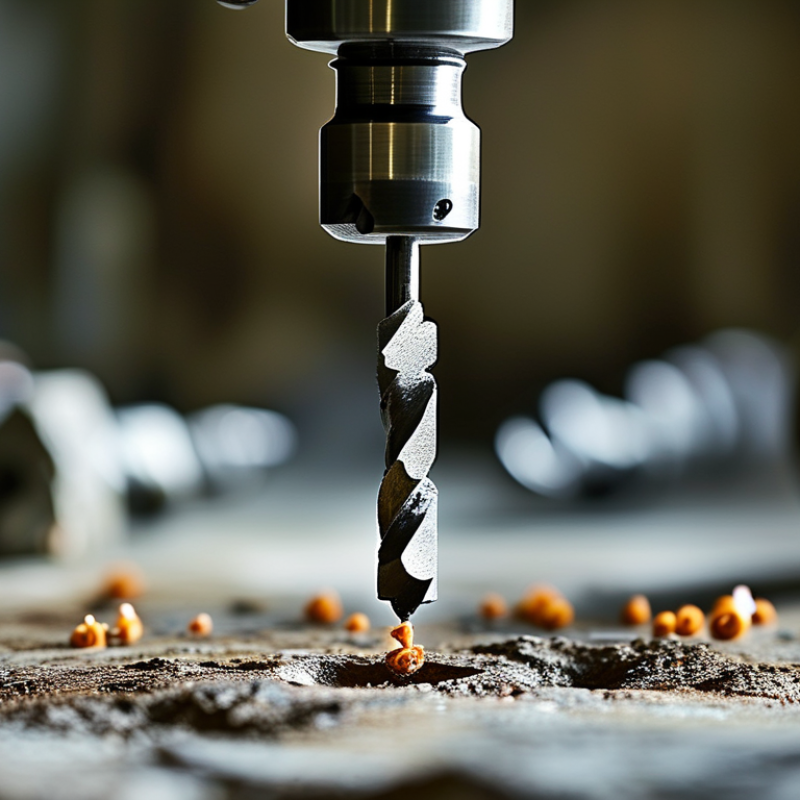
Button drill bits stand out in rock drilling applications for several reasons. One of their standout features is durability. Made from high-quality materials, they are designed to withstand the intense conditions of subsurface drilling. This is crucial when working in tough geological formations.
In addition to their toughness, button drill bits offer efficient penetration rates. They are designed to maximize the surface area of contact, leading to faster drilling cycles. This improved efficiency can significantly reduce project timelines and costs. Despite these advantages, the initial investment in button drill bits may appear higher than other types. However, considering their longevity and effectiveness, this cost is often justified.
Moreover, the versatility of button drill bits makes them suitable for a variety of projects. They can be used in both hard and soft rock, adapting well to different conditions. This adaptability, however, requires careful consideration of the specific drilling environment. In some cases, using the wrong type of button bit may lead to suboptimal performance. Proper selection is crucial for achieving the best possible results.
Button drill bits have gained popularity in drilling applications due to their performance advantages over traditional types. Studies show that button bits can improve penetration rates by about 20-30% compared to roller cone bits. This increase can significantly reduce drilling time and costs in various projects, especially in hard rock formations.
When evaluating performance, button bits excel in durability. Reports indicate that they can last up to four times longer than conventional bits under similar conditions. This longevity is critical for reducing downtime during drilling operations. Additionally, the aggressive design of button bits allows for superior rock fragmentation, contributing to efficiency in drilling. However, it's essential to acknowledge that not all drilling environments suit button bits, and choosing the right bit requires careful consideration of specific geological conditions.
While solid data support the effectiveness of button bits, some challenges remain. For example, handling and maintaining these bits can be more complex than other types. Users often report issues with bit wear and tear over time. Understanding these factors is key to optimizing drilling operations. Balancing performance with reliability requires insight into both the benefits and limitations of various drilling technologies.
Button drill bits are essential for various drilling applications. They are known for their durability and effectiveness. The design features spherical buttons that enhance the drilling process. This design allows for better rock fragmentation, resulting in faster drilling times. Button drill bits are especially popular in mining and construction. The material used in their manufacturing often includes high-quality carbide. This contributes to the bits' longevity and overall performance.
Tips: When selecting a button drill bit, consider the rock formation. Different formations require different bits. Pay attention to the bit diameter as well. A proper fit can improve drilling efficiency significantly.
Moreover, examine the button pattern on the bit. A denser pattern may offer better performance in tough rock conditions. However, it can also lead to increased wear. Understanding your specific needs will help you make better choices. Don't overlook the importance of bit maintenance either. Regular checks can extend the life of your drill bits.
| Feature | Specification |
|---|---|
| Material | Tungsten Carbide |
| Bit Type | Button Bit |
| Diameter Range | 25mm to 152mm |
| Drilling Applications | Mining, Construction, Geological |
| Wear Resistance | High |
| Shank Type | Hex, Round |
| Water Hole Type | Single, Double |
| Weight | Varies by size |
| Ideal Rock Type | Medium to Hard |
The mining and construction sectors are experiencing a notable shift in drilling technology. Button drill bits are increasingly gaining traction among industry professionals. These bits offer enhanced durability and improved efficiency over traditional options. The rise in adoption rates is partly due to their ability to drill through hard rock efficiently. Many operators are turning to these innovative tools to meet rigorous project demands.
In recent years, research indicates that button drill bits have become a preferred choice for many projects. Workers appreciate their consistent performance and ease of use. However, the transition to button bit technology is not without challenges. Some operators struggle to grasp the nuances of these advanced tools. Training plays a crucial role in ensuring optimal usage. When teams understand the technology, they can greatly improve productivity.
This trend also reflects a broader industry move towards greater efficiency and sustainability. As the need for rapid project completion grows, so does the reliance on effective drilling solutions. Button drill bits are aligning well with this shift. Yet, it calls for ongoing evaluations of techniques and training. The balance between innovation and practical application remains an important consideration for practitioners.
Button drill bits have become a popular choice in various drilling applications due to their design and efficiency. These bits feature a series of uniform, closely spaced buttons made from hard materials. This construction allows for optimal performance even in tough rock formations. Studies show that button drill bits can enhance drilling speed by nearly 30% compared to traditional bits, leading to cost savings on projects.
Maintenance is crucial for extending the lifespan of button drill bits. Regular inspection and cleaning after each use can prevent wear and tear. Research indicates that proper maintenance can increase bit life by up to 50%. Users often overlook this, leading to premature failure and increased costs. Attention to detail in maintenance routines and timely replacements can significantly impact drilling efficiency.
The durability of button bits contributes directly to operational efficiency. They exhibit resistance to chipping and wear, making them more reliable in challenging environments. However, not all users recognize the importance of selecting the right bit for specific rock types. Mismatched bits may lead to inefficient drilling and unexpected downtimes. It's essential to analyze project requirements and have an adaptable approach to bit selection and usage.
: Button drill bits are durable and provide efficient penetration rates for faster drilling cycles.
Button bits can improve penetration rates by 20-30% compared to roller cone bits, reducing drilling time and costs.
They are versatile but require careful selection for specific geological conditions to avoid poor performance.
Button drill bits can last up to four times longer than conventional bits under similar conditions.
Users may face complex handling and maintenance issues, especially related to wear and tear over time.
Proper training enhances understanding, helping teams improve productivity and optimize the use of advanced tools.
The initial investment can be higher, but their longevity and effectiveness often justify the cost.
Yes, there is a growing trend in the mining and construction sectors towards adopting button drill bits for better efficiency.
They must evaluate techniques, training, and the specific drilling environment to ensure optimal performance.
Ongoing evaluations, training, and an understanding of technology are vital for effective application in drilling projects.
Button drill bits are increasingly recognized for their significant benefits in rock drilling applications, providing enhanced performance and efficiency compared to other drill bit types. Their unique design enables effective drilling through tough materials, making them a preferred choice in the mining and construction industries. The high-quality button drill bits are characterized by robust features and specifications that ensure longevity and maintenance ease, leading to reduced downtime and increased productivity.
As industry trends indicate a rising adoption rate of button drill bits, it’s clear they are transforming the way drilling projects are approached. The combination of superior performance and reduced maintenance needs has made them an essential tool, thereby enhancing overall efficiency. In summary, choosing a button drill bit can lead to considerable improvements in drilling operations, showcasing their vital role in modern construction and mining endeavors.

KAT DRILLING