 KAT DRILLING
1 / 1
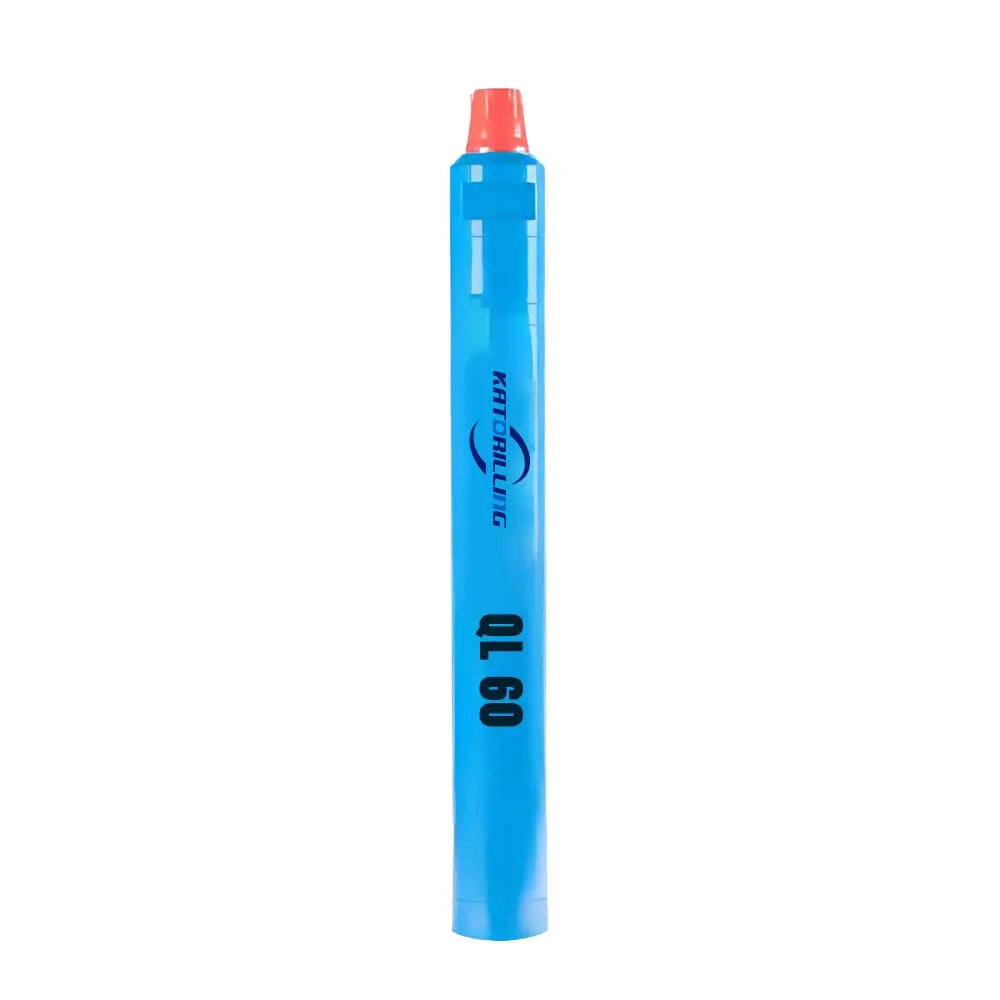
Designed for high performance even at low operating air pressure, ensuring maximum efficiency during drilling operations.
Features bits without foot valves to withstand heavy-duty applications and extreme quarry environments.
All critical internal components are heat-treated under strict control to extend the tool's service life.
These hammers are widely utilized across various industrial sectors including:
Mine, quarry, road construction for drilling and blasting work.
Slope protection, anchoring, and foundation work.
Efficient water well drilling in diverse geological formations.
| Type | Model | Length (mm) | Weight (kg) | External Dia.(mm) | Hole Range (mm) |
|---|---|---|---|---|---|
| 3.5 inch | DHD3.5 | 930 | 25 | Φ82 | Φ90-110 |
| 4 inch | QL4 / Mission40 | 1097 / 1005 | 41 / 40 | Φ99 | Φ110-135 |
| 5 inch | QL5 / Mission50 | 1147 / 1110 | 73 / 68.5 | Φ125 | Φ135-155 |
| 6 inch | QL6 / Mission60 | 1212 / 1161 | 95 / 90 | Φ146 | Φ155-190 |
| 8 inch | QL8 / Mission80 | 1465 / 1338 | 182 / 176 | Φ180 | Φ195-254 |
| 10 inch | NUMA100 | 1510 | 288 | Φ226 | Φ254-311 |
| Hammer Length (without bit) | 1211 mm |
| Top Sub Thread | API 3 1/2" REG PIN |
| Outside Diameter | 148 mm |
| Weight | 105 KG |
| Bit Diameter | 158 - 190 mm |
| Working Pressure | 10 - 25 Bar |
| Air Consumption | 20 - 28 M3/min |
| Bit Shank | QL60 |
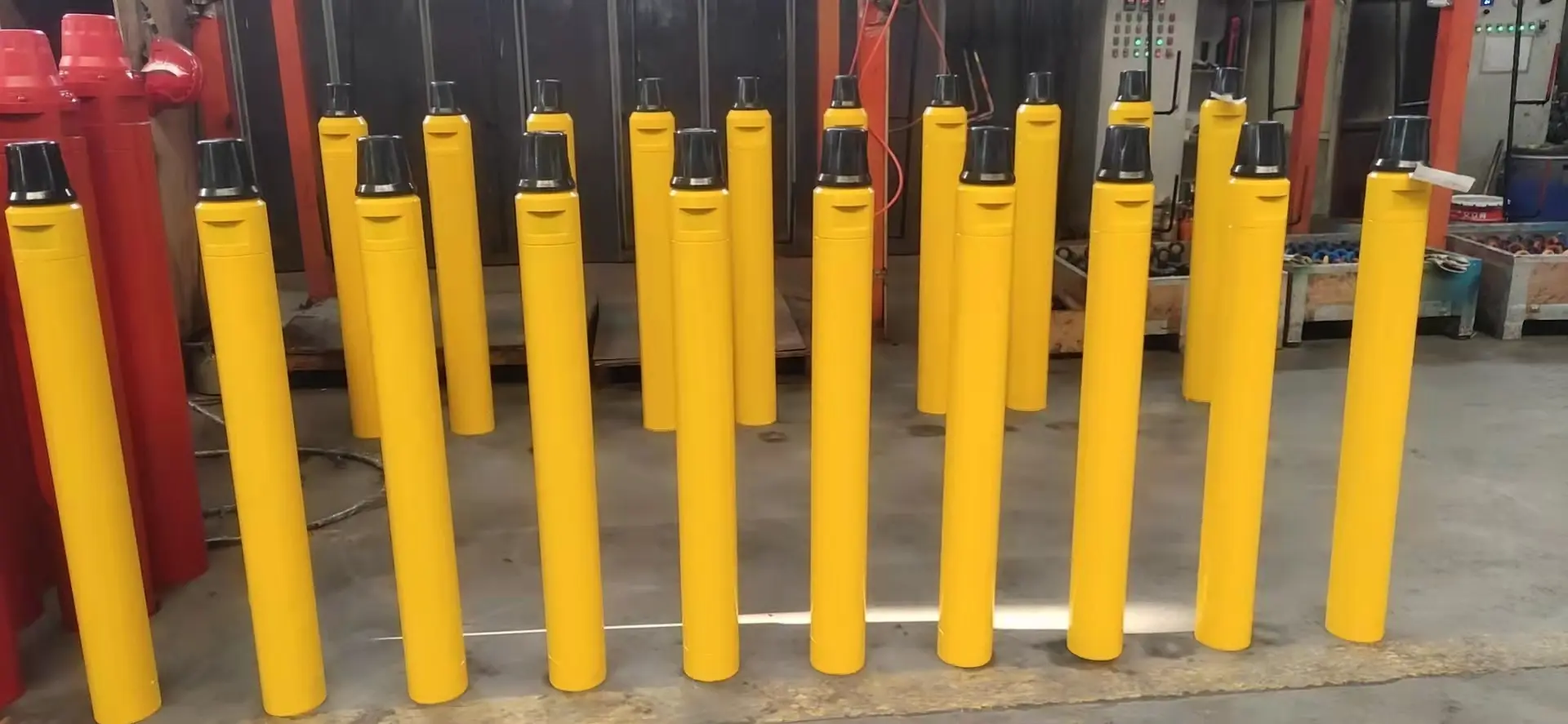
A: The QL60 is engineered with a valve-less design and heat-treated internal components that allow it to operate efficiently under high air pressure while maintaining structural integrity.
A: Yes, the QL series DTH hammers are widely used for water well drilling, as well as mining, quarrying, and road construction.
A: No, the wear sleeve for the DHD/QL/MISSION series hammers is designed to be non-reversible to ensure specific performance standards.
A: For the QL60 model, the optimal bit diameter range is between 158mm and 190mm.
A: The QL60 DTH hammer typically uses an API 3 1/2" REG PIN for the top sub thread connection.
A: The valve-less design maximizes energy output and reduces the frequency of service requirements, allowing for more continuous operation in heavy-duty applications.